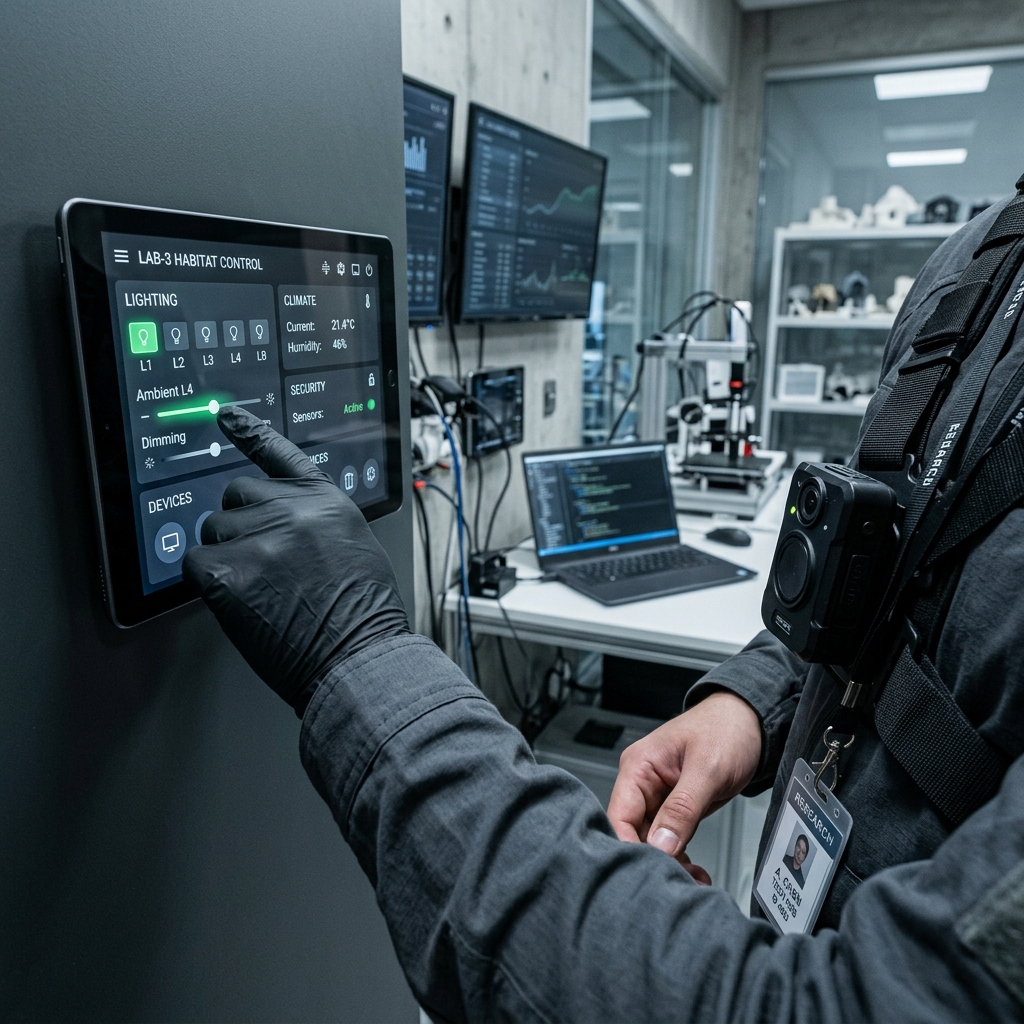
Egocentric data — video footage captured from a first-person, wearers-eye-view perspective — is one of the fastest-growing categories in AI training data. Autonomous robots need to understand the world from a human-eye perspective. Augmented reality systems need to understand how people navigate environments. Smart home assistants need to recognise human activities from a first-person view. All of this requires massive amounts of first-person video data collected from real humans in real environments.
India, with its diverse environments, varied daily activities, and large population, is an ideal sourcing ground for this data. Here is what egocentric data collection actually looks like as a field operation.
What platforms are looking for
The primary platforms commissioning egocentric data collection are Macgence, Scale AI, and Appen, along with research labs at major tech companies. The data they need typically falls into these categories:
- Daily living activities: Cooking, cleaning, shopping, commuting, walking — captured from the activity performer's perspective
- Occupational activities: Construction work, agricultural work, retail work, office work — specific to the Indian context
- Navigation data: How people navigate markets, roads, buildings — for autonomous navigation training
- Hand and tool interaction: Close-up first-person footage of hands using tools, devices, and objects
Equipment setup
You do not need expensive equipment to start. Most egocentric data collection at the agency level uses:
- Action cameras: GoPro Hero or DJI Osmo Action series, mounted on the chest or head via a strap harness. Cost: ₹15,000–35,000 per unit.
- Smartphones in POV mounts: A high-quality smartphone (2022 or later) in a chest mount captures adequate video for most annotation tasks. Cost: effectively zero if your field team already has phones.
- Smart glasses (advanced): For premium egocentric contracts, platforms like Macgence may specify Ray-Ban Stories or similar. These are higher cost but command higher rates.
For a 50-person egocentric collection project: 1 Project Manager, 5 Supervisors (1 per 10 field agents), 40 data collection agents. Each agent captures 2–4 hours of footage per day. At 30 fps, this generates approximately 200–400 GB of raw data per day across the team — data management is a critical infrastructure requirement.
Consent and privacy — the most critical element
Egocentric data captures not just the wearer but everyone they interact with — family members, shopkeepers, commuters, pedestrians. This creates significant informed consent requirements. Every person who appears in the footage must have provided consent, or the footage must be captured in public spaces where filming is legally permitted.
Your consent protocol must include: written or recorded verbal consent from the data subject, clear explanation of how the data will be used, age verification for participants, and a clear opt-out mechanism. Platforms will reject data batches that do not meet their consent standards — this is non-negotiable.
Quality control for video data
Unlike structured survey data, video data quality issues are harder to catch and harder to fix after collection. Before submitting any batch:
- Review 10% of footage for stability, lighting, and framing issues
- Verify metadata (GPS coordinates, timestamps) are correctly embedded
- Check that activity labels match the actual footage content
- Confirm consent documentation matches the footage subjects
- Verify file format and resolution meet platform specifications exactly