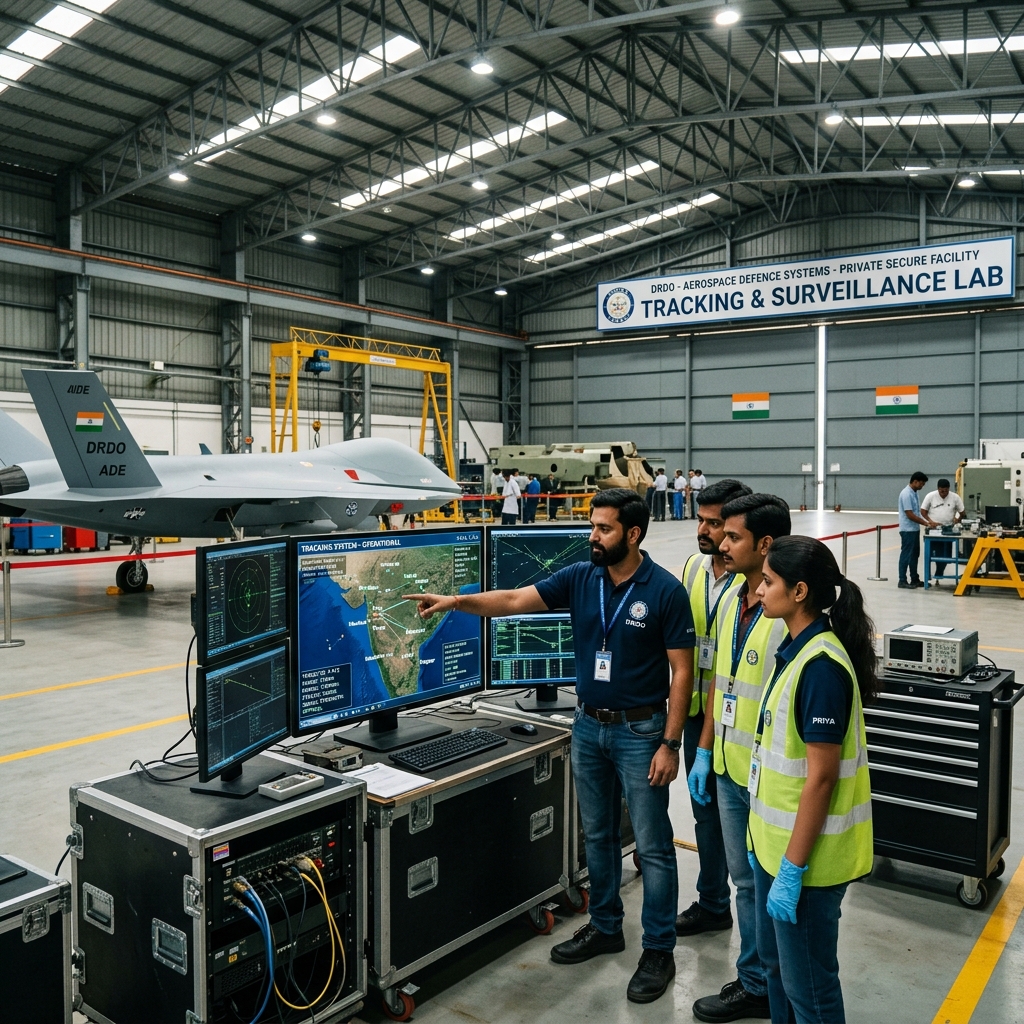
Defence procurement is often assumed to be exclusively the domain of large PSUs like HAL, BEL, and BEML, or large private sector companies like L&T and Tata Defence. This assumption is wrong — and it is costing small and medium Indian companies significant business.
Through the Srijan portal and direct DRDO procurement, private companies of any size can access defence contracts, provided they meet specific technical and compliance requirements.
The Srijan portal — what it is and how it works
Srijan (srijandefence.gov.in) is the Ministry of Defence's portal for import substitution and domestic vendor development. It lists specific items that the defence establishment wants to source domestically — items currently being imported. For each item, the portal shows the technical specifications, the quantity required, and the process for applying to become a domestic supplier.
This is not competitive tendering in the traditional sense. It is an invitation to Indian companies to develop manufacturing or supply capability for specific defence requirements. The government provides support — sometimes including advance purchase commitments — to companies that successfully demonstrate the required capability.
- Video surveillance and CCTV systems
- Computer vision analytics software
- Edge computing devices for field deployment
- Data collection and management systems
- Field communication equipment
- Training and simulation support services
DRDO direct procurement — the research opportunity
DRDO (Defence Research and Development Organisation) frequently needs external contractors for specific research support tasks. These are not weapons manufacturing contracts — they include field data collection, behavioural research, environmental surveys, and technology trials in non-sensitive environments.
DRDO procurement is published on the Central Public Procurement Portal (CPPP) like any other government tender. The key is to search specifically for DRDO-issued tenders using the organisation filter. Categories to watch for: data collection services, field survey support, camera and optical equipment supply, and IT and analytics services.
IIT and IISc research lab tenders — the academic route
Research institutions like IIT Madras, IIT Bangalore, and IISc regularly issue tenders for equipment and services to support their computer vision and AI research programmes. These tenders typically require:
- High-definition cameras and recording equipment
- Edge computing devices (NVIDIA Jetson, Intel NUC etc.)
- Data collection and annotation services
- Field survey support for research programmes
These tenders are published on the institute's own procurement portal and on CPPP. They are typically smaller in value (₹5–50 lakh) but valuable as experience certificates for the AI and technology sector, and as the first step toward larger defence and surveillance contracts.
What you need to be competitive
To win defence-adjacent and research institute contracts, your company profile must prominently feature: Computer Vision capability, Edge Computing familiarity, data privacy and security protocols, and any relevant experience with field data collection for technical applications. The DRDO keyword alignment matters — procurement officers search for these specific terms.